International Cooperation & Decentralized Cooperation
France – Africa – International
General Introduction
Decentralized international cooperation is a partnership between two local governments, in France, Overseas Territories, Africa, or internationally.
It enables the sharing of expertise, the strengthening of local institutions, the development of joint projects, and the support of territorial governance.
EMC Conseil assists local governments in designing, structuring, and implementing North–South and South–South cooperation partnerships.
Institutional Economic Cooperation France–Cameroon (Paris)
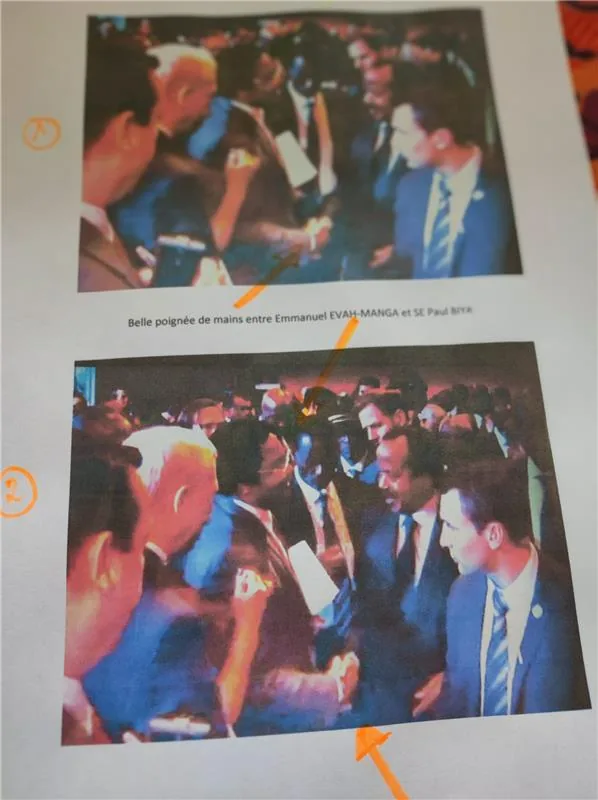
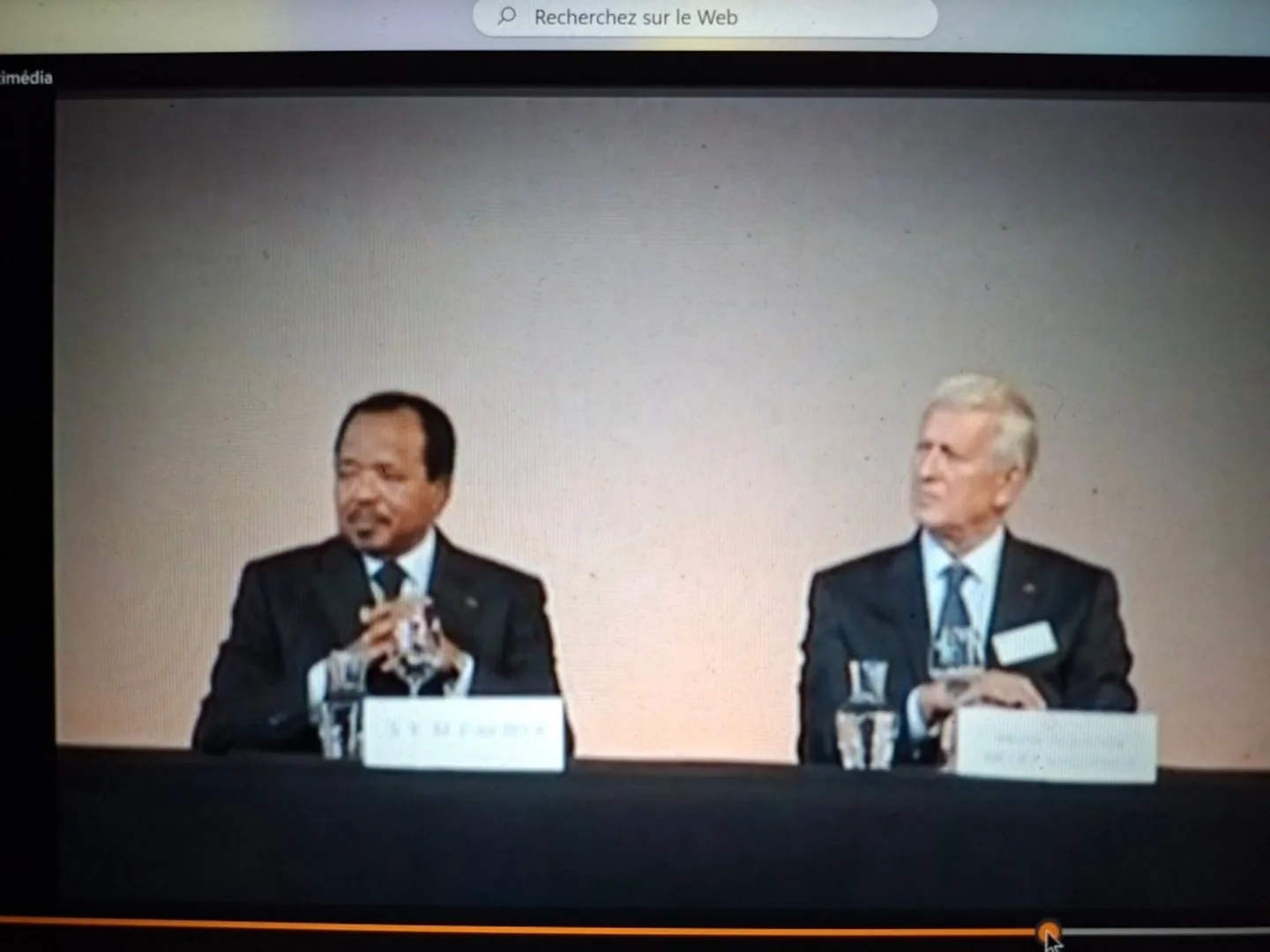
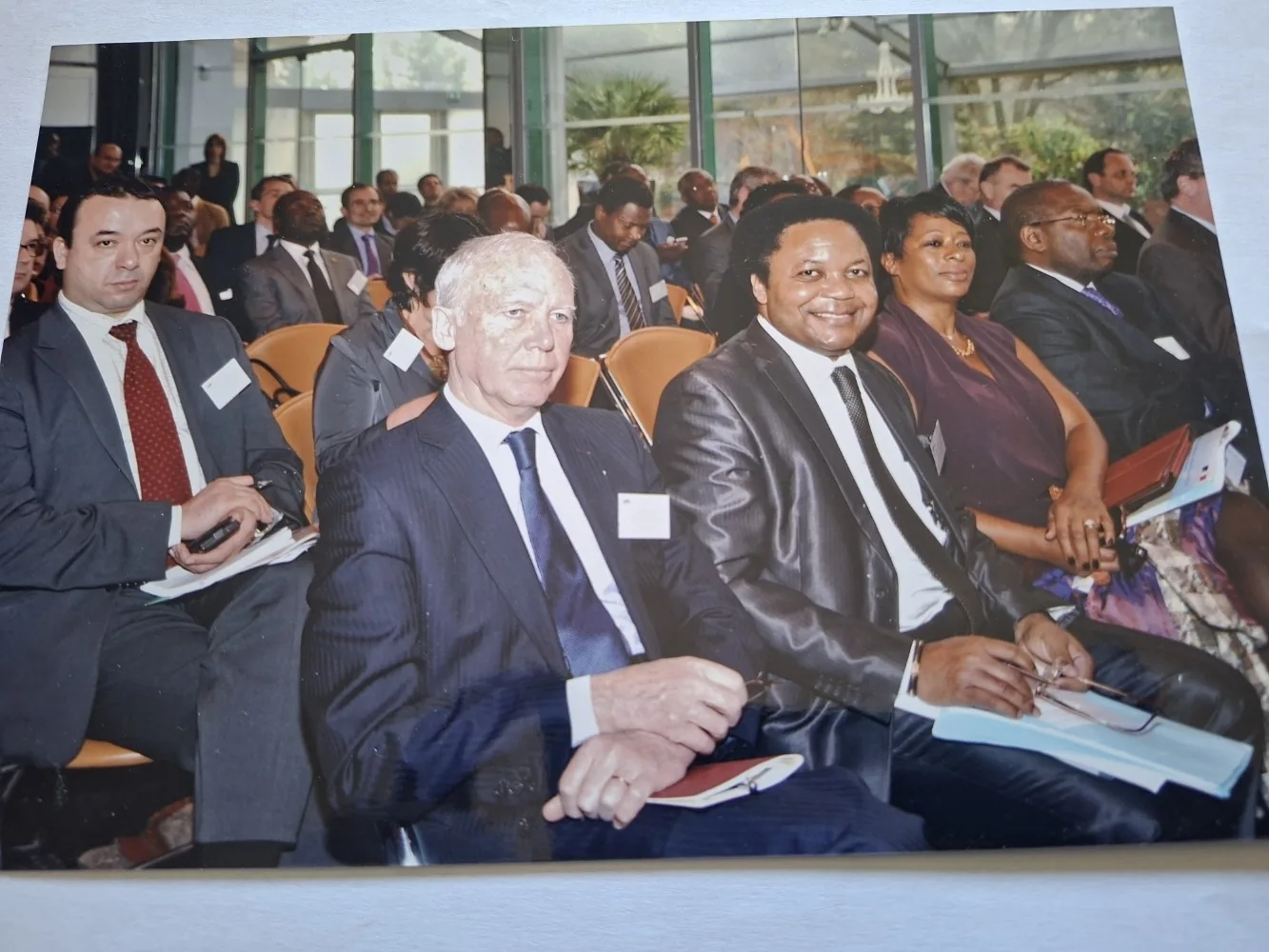
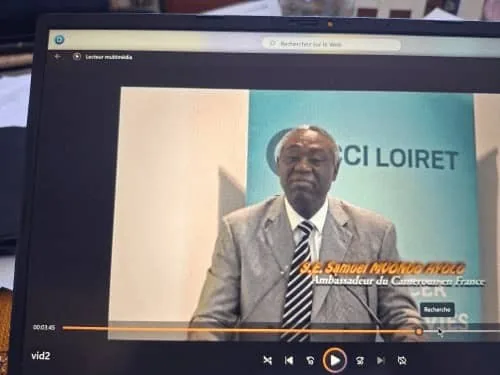
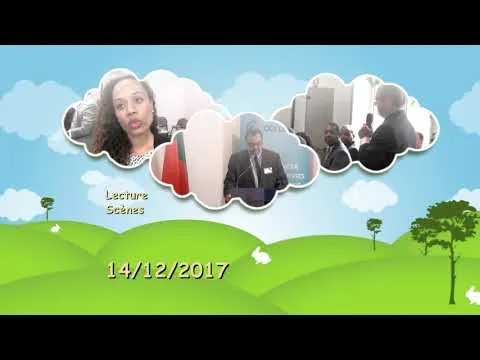
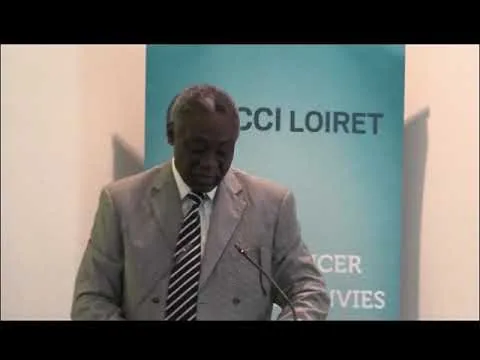
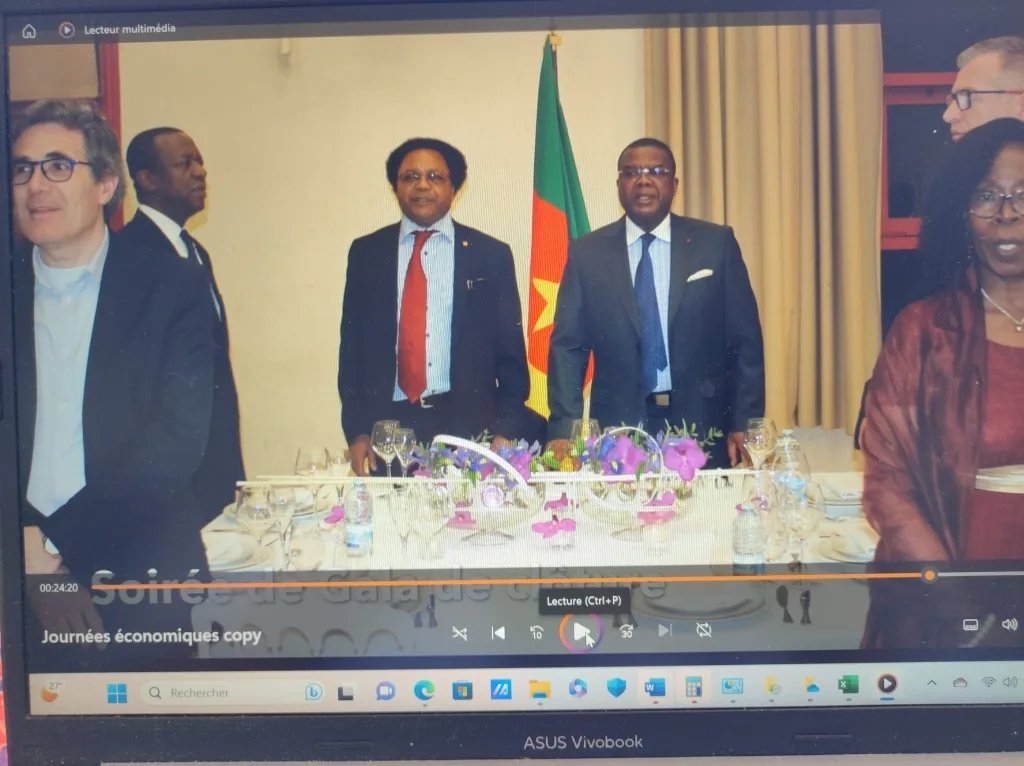
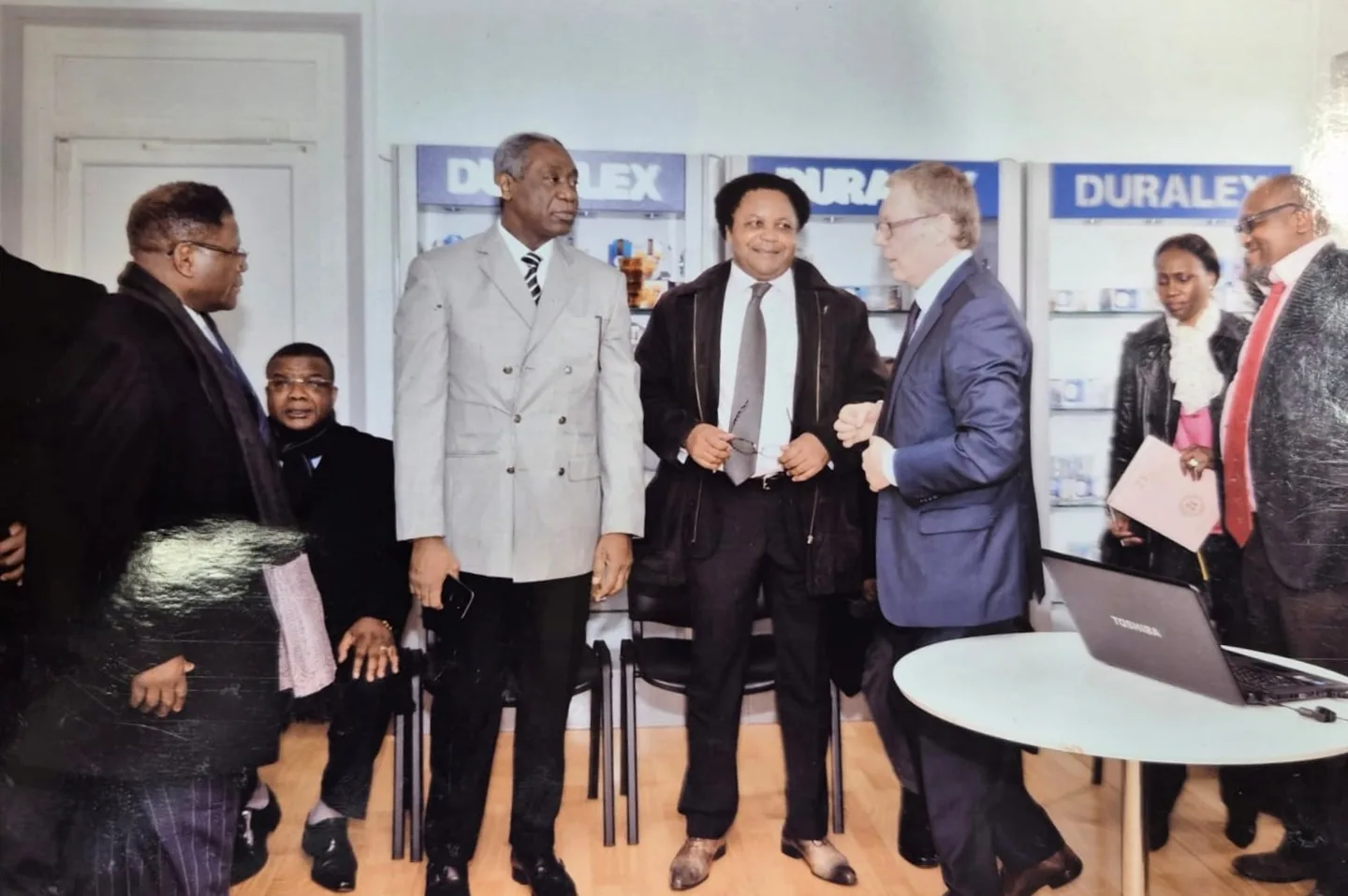
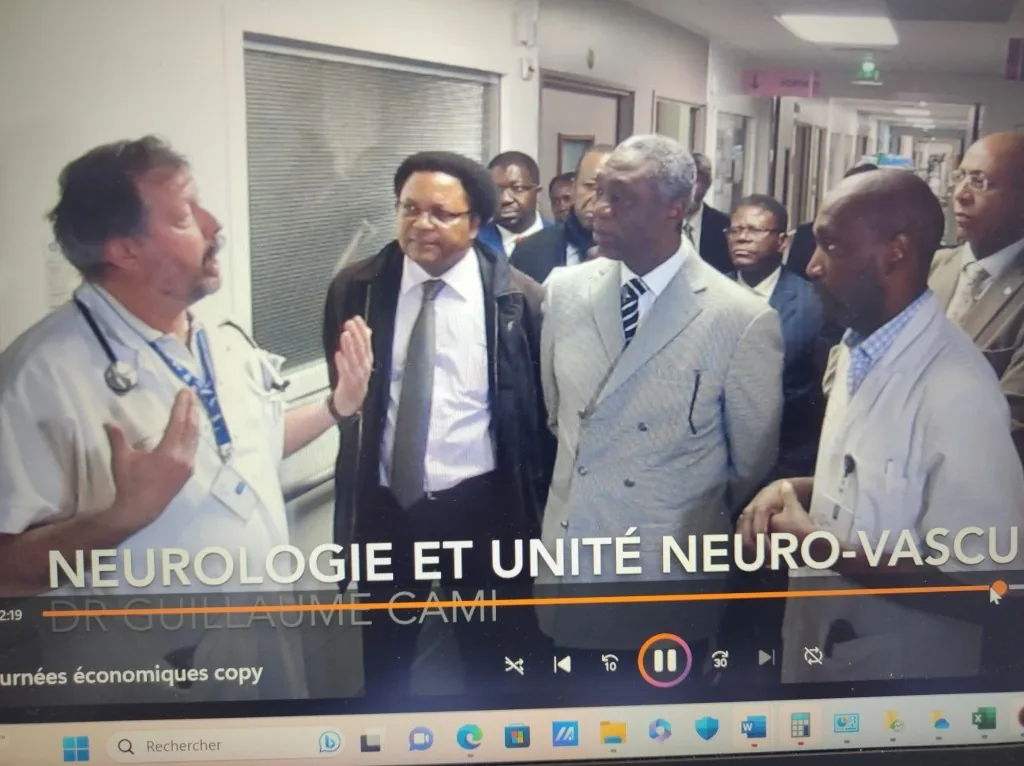
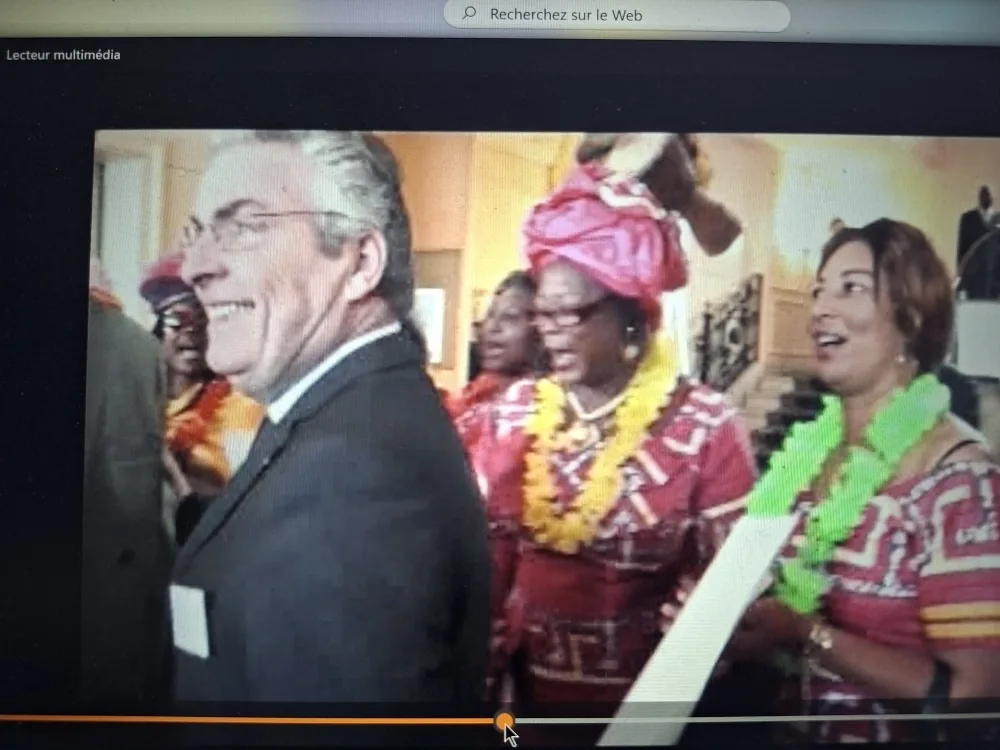
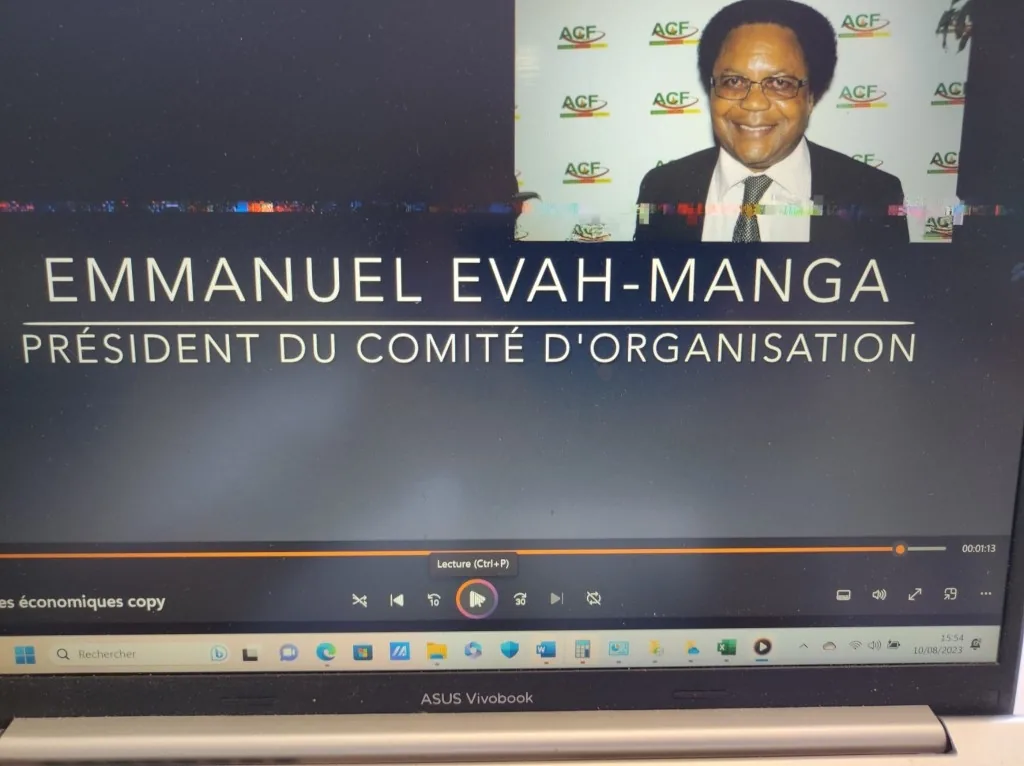
Coopération décentralisée France - Cameroun -- les 2 journées économiques d'Orléans
Institutional Actors Mobilized
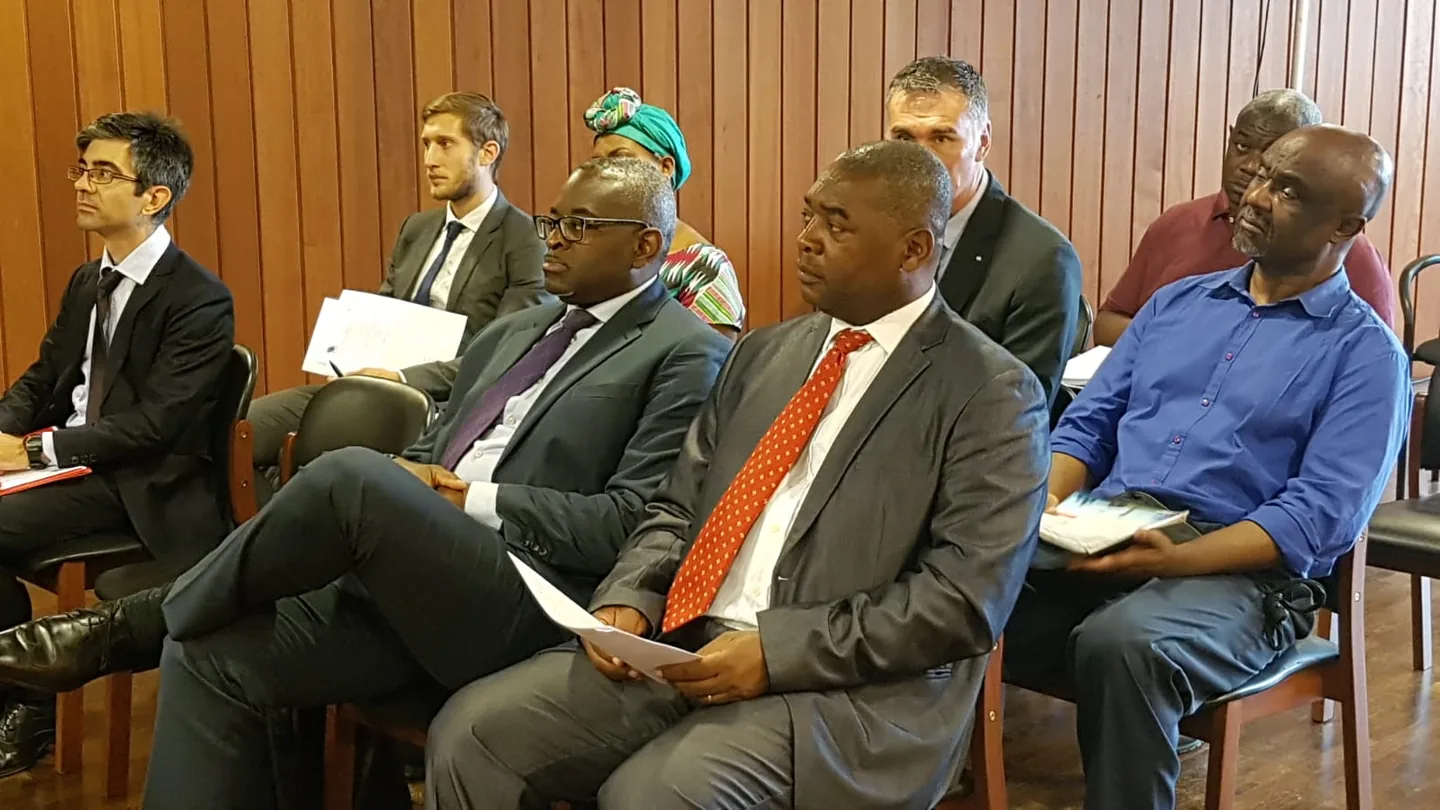
Ambassador and diplomatic representatives, Senator of Loiret, Prefect and representatives of the French State, Departmental Chamber of Commerce and Industry (Loiret), Regional MEDEF, business leaders, local governments (mayors and elected officials), Directors General / senior executives, regional authorities, hospitals and health institutions (CHR), universities and major schools, civil society, and members of the Cameroonian community in the Centre–Val de Loire Region.
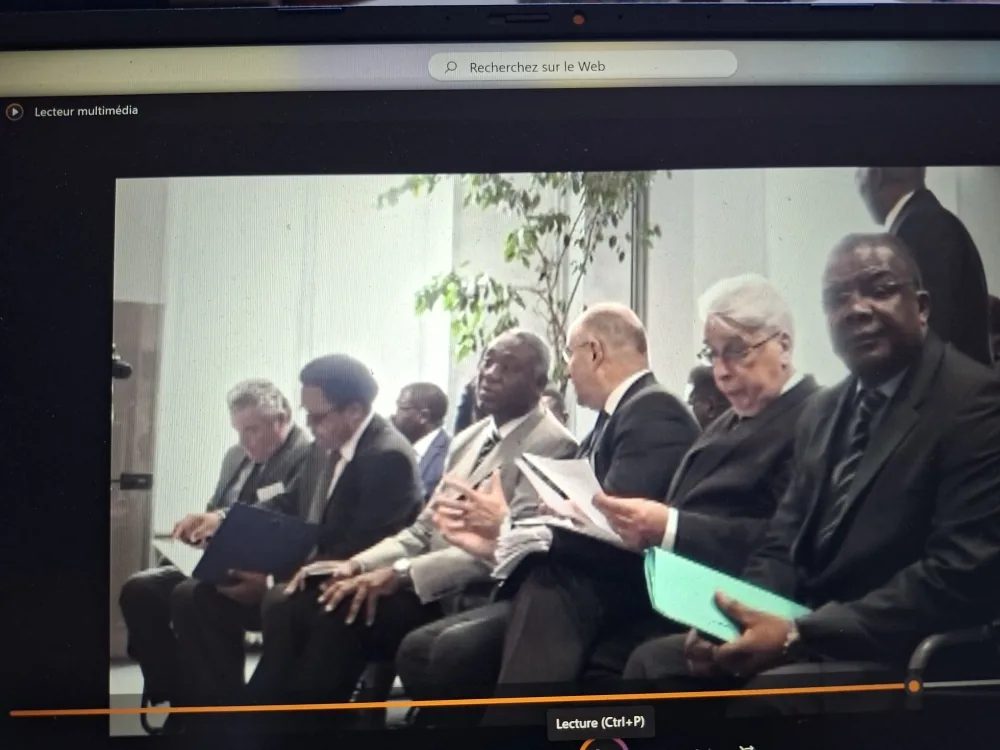
Institutional and Economic Activities
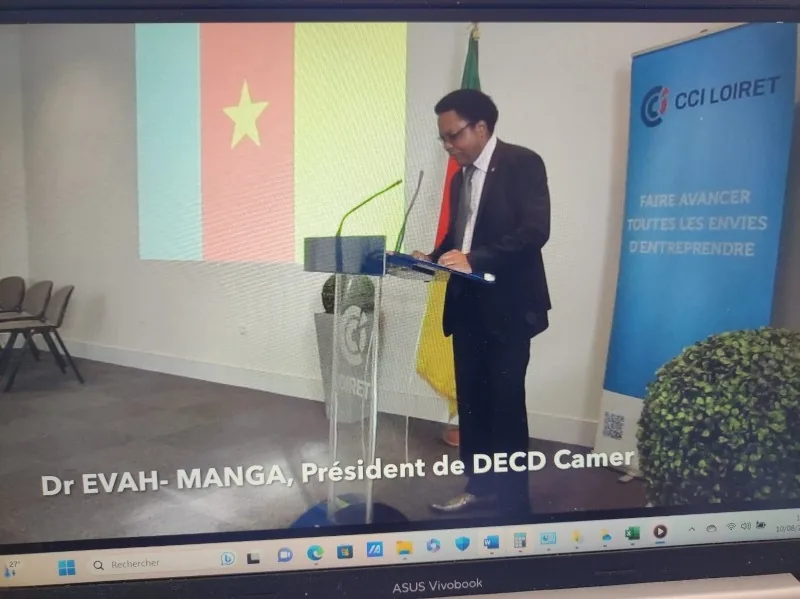
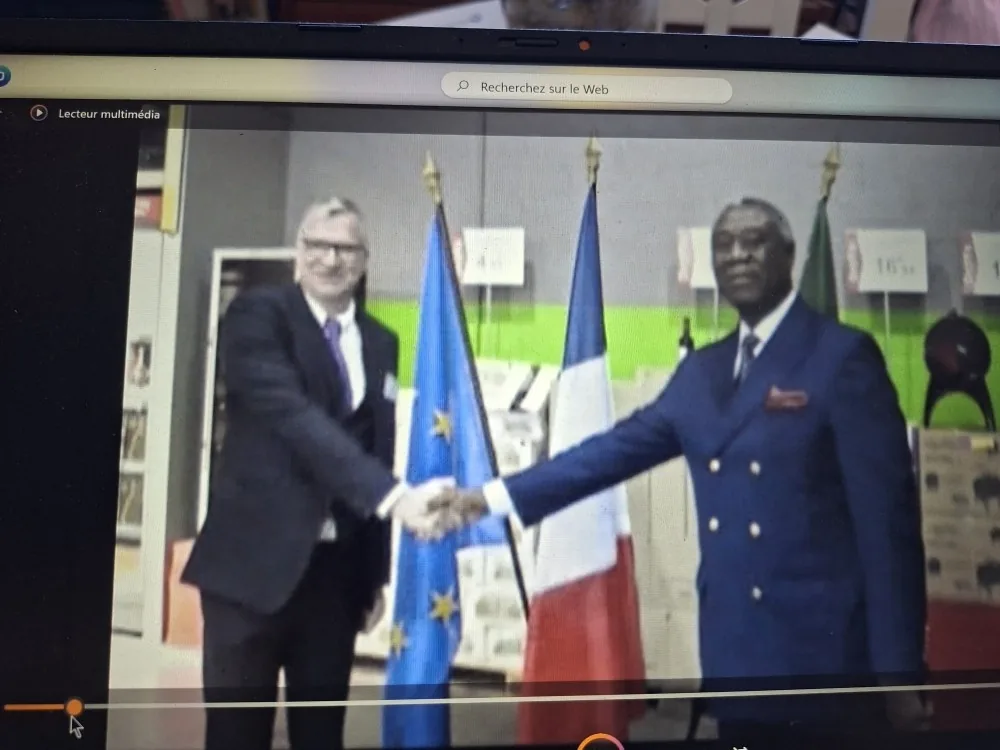
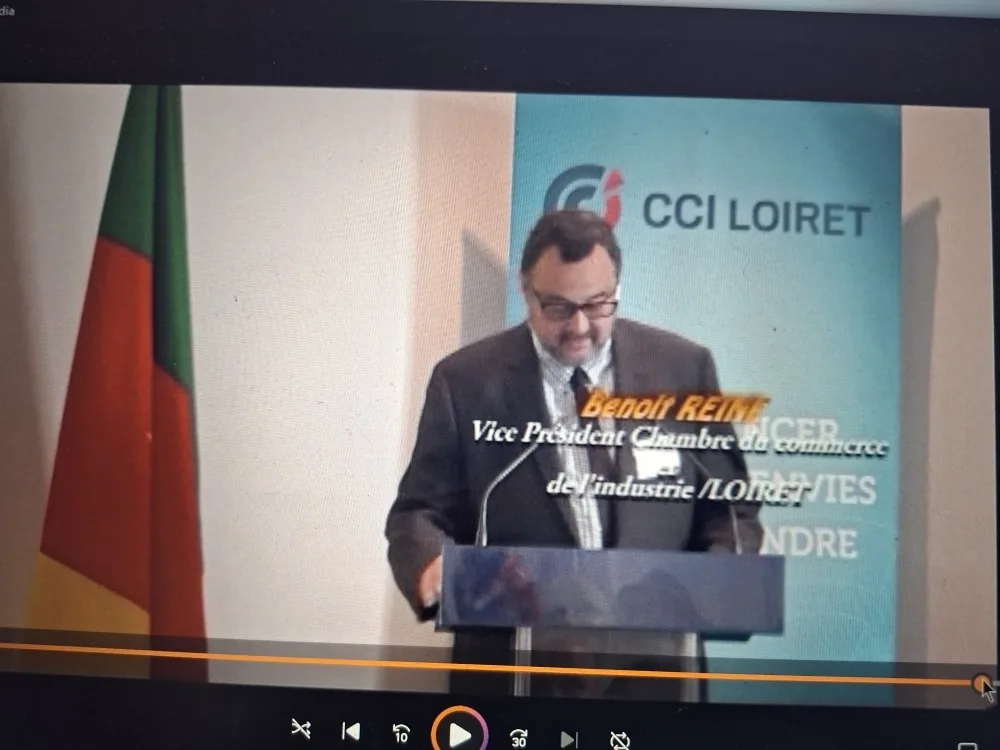
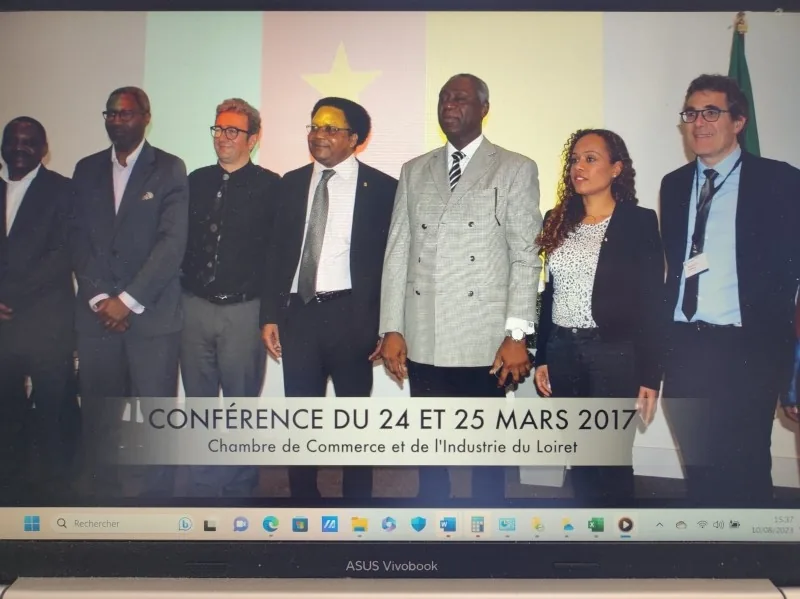
Economic Actors and Partnerships
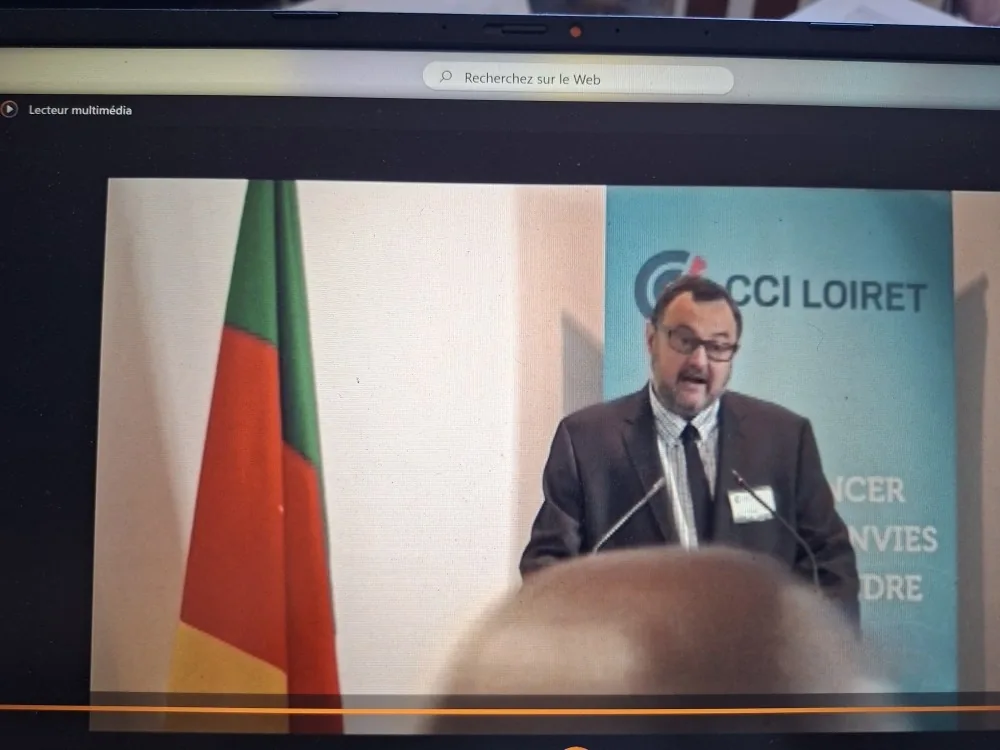
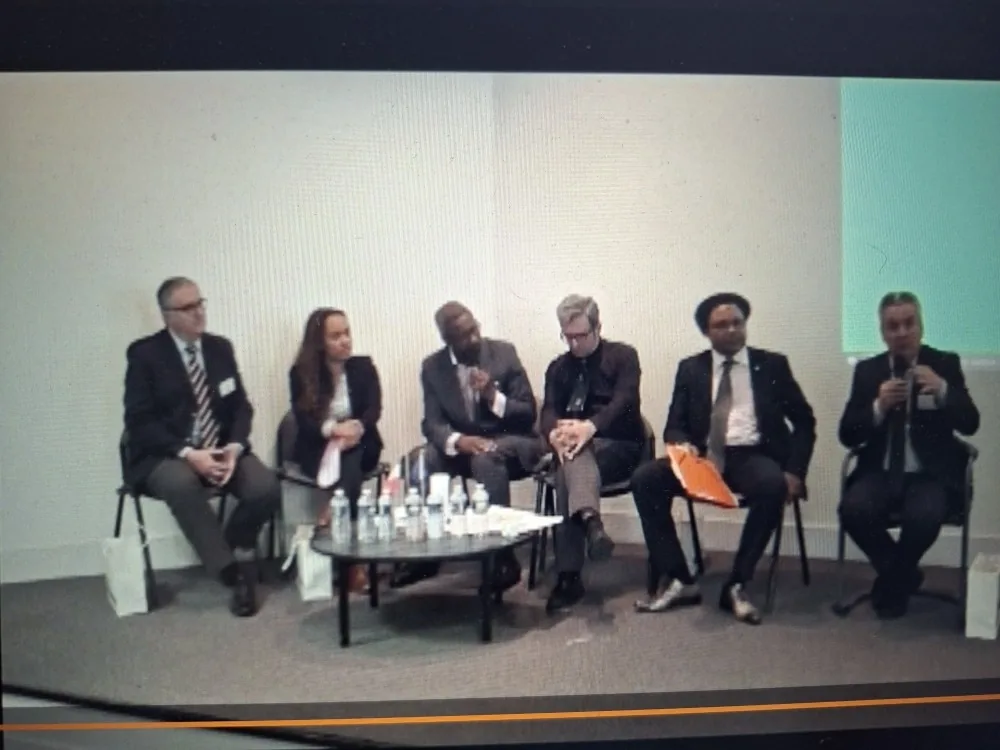
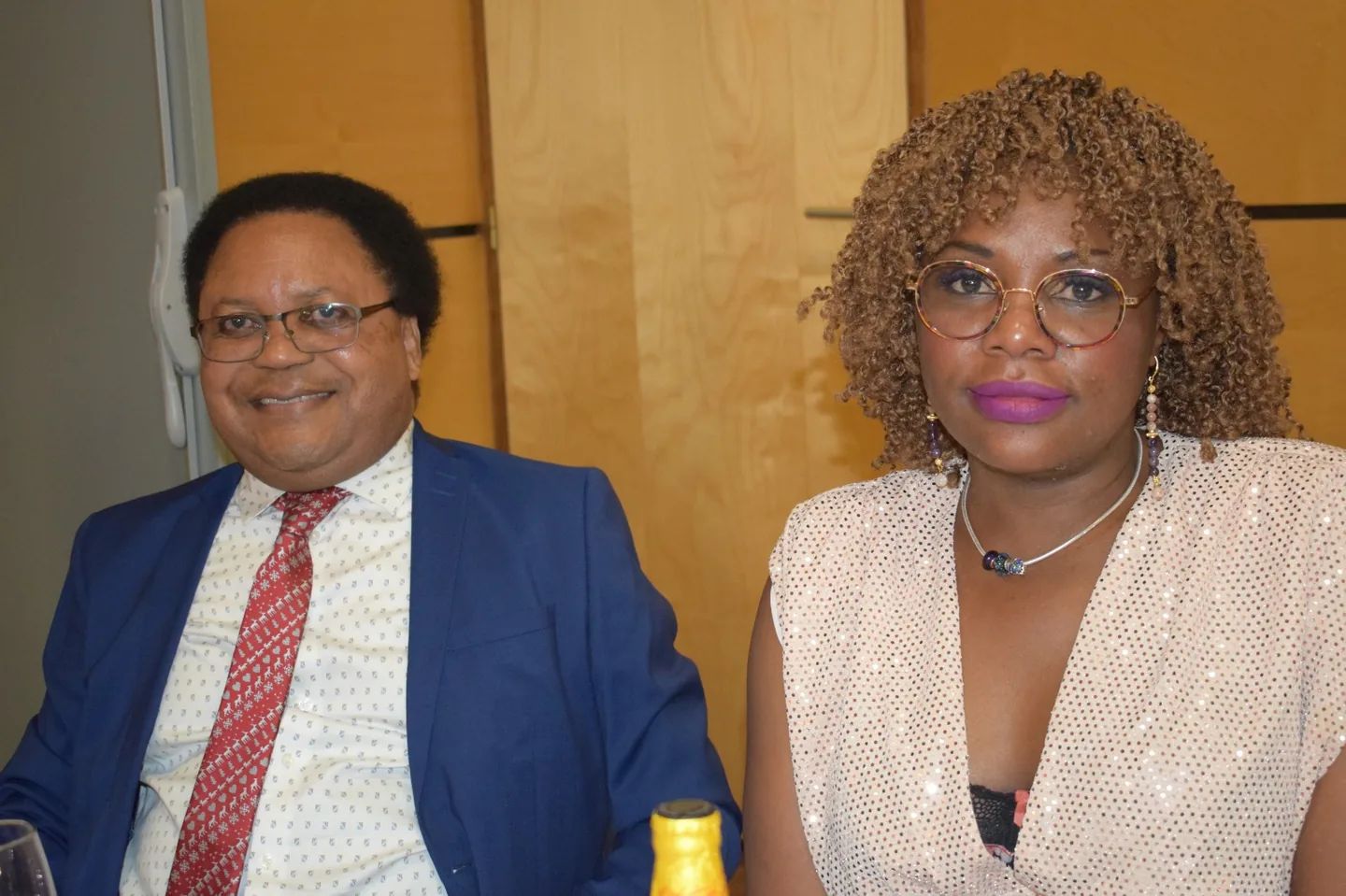
Workshops & Roundtables
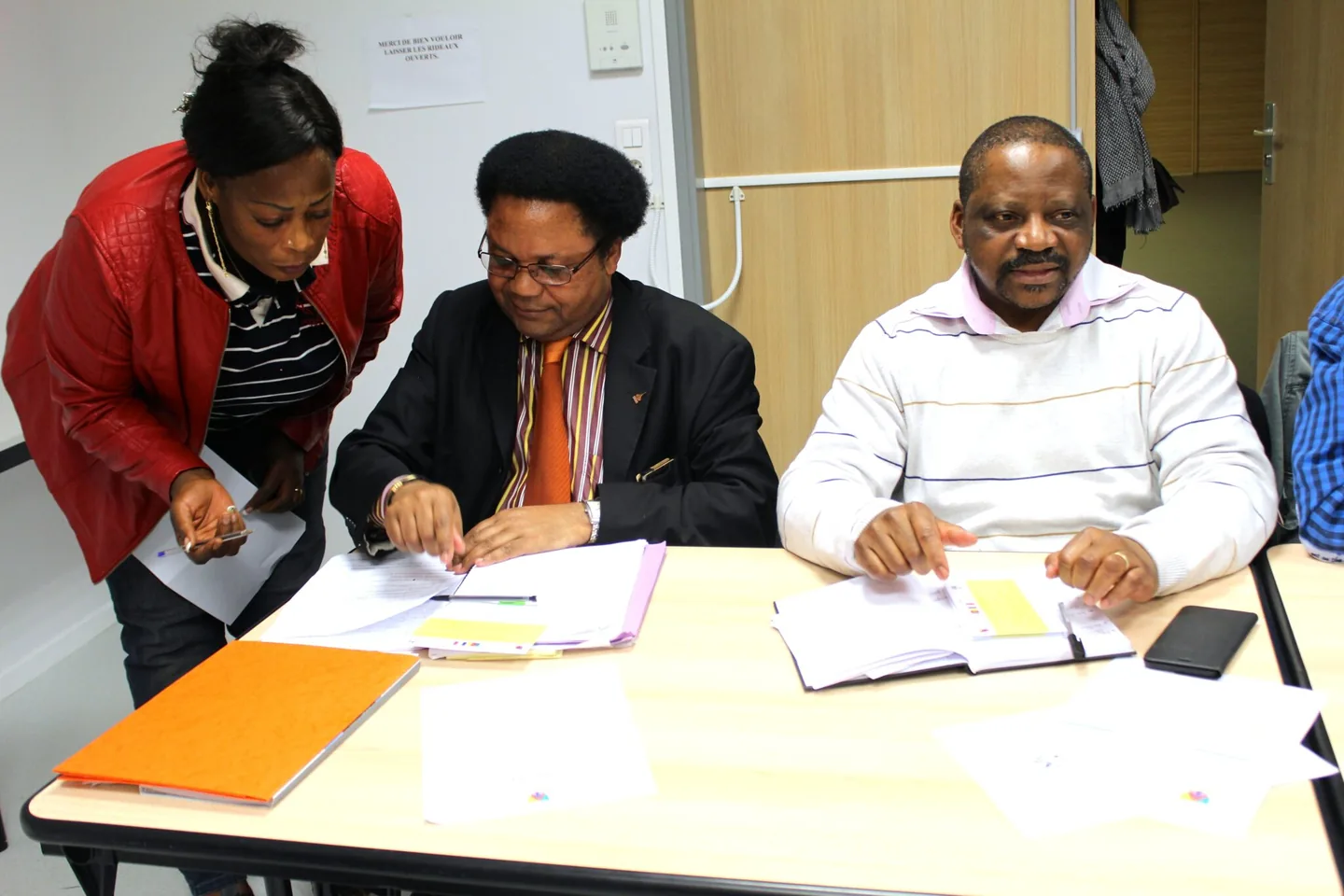
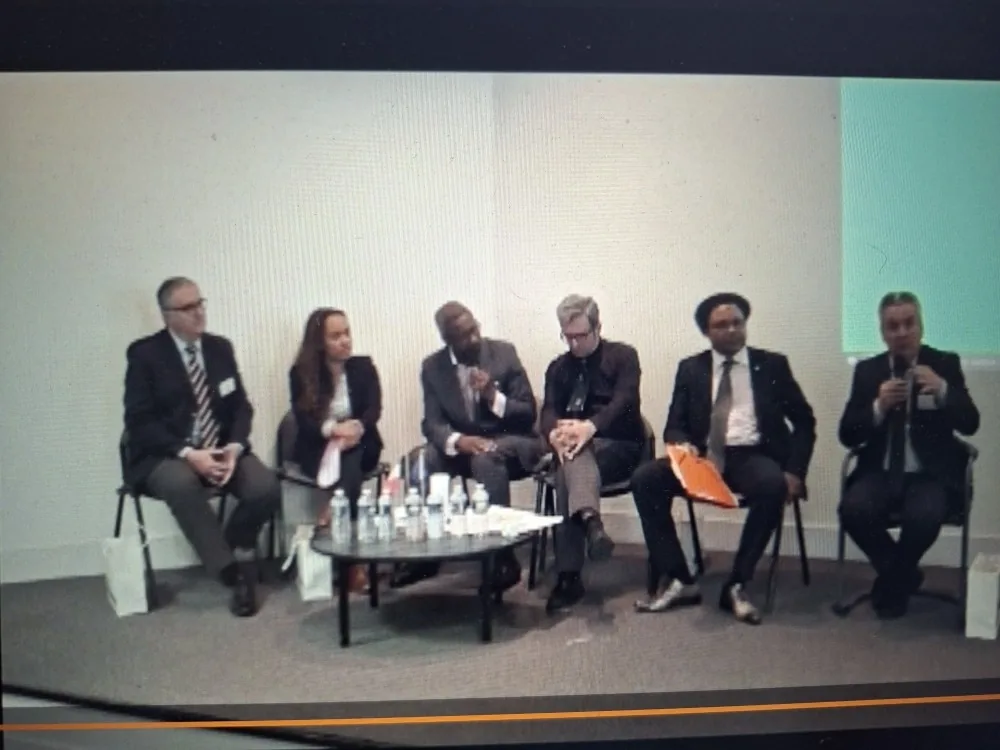
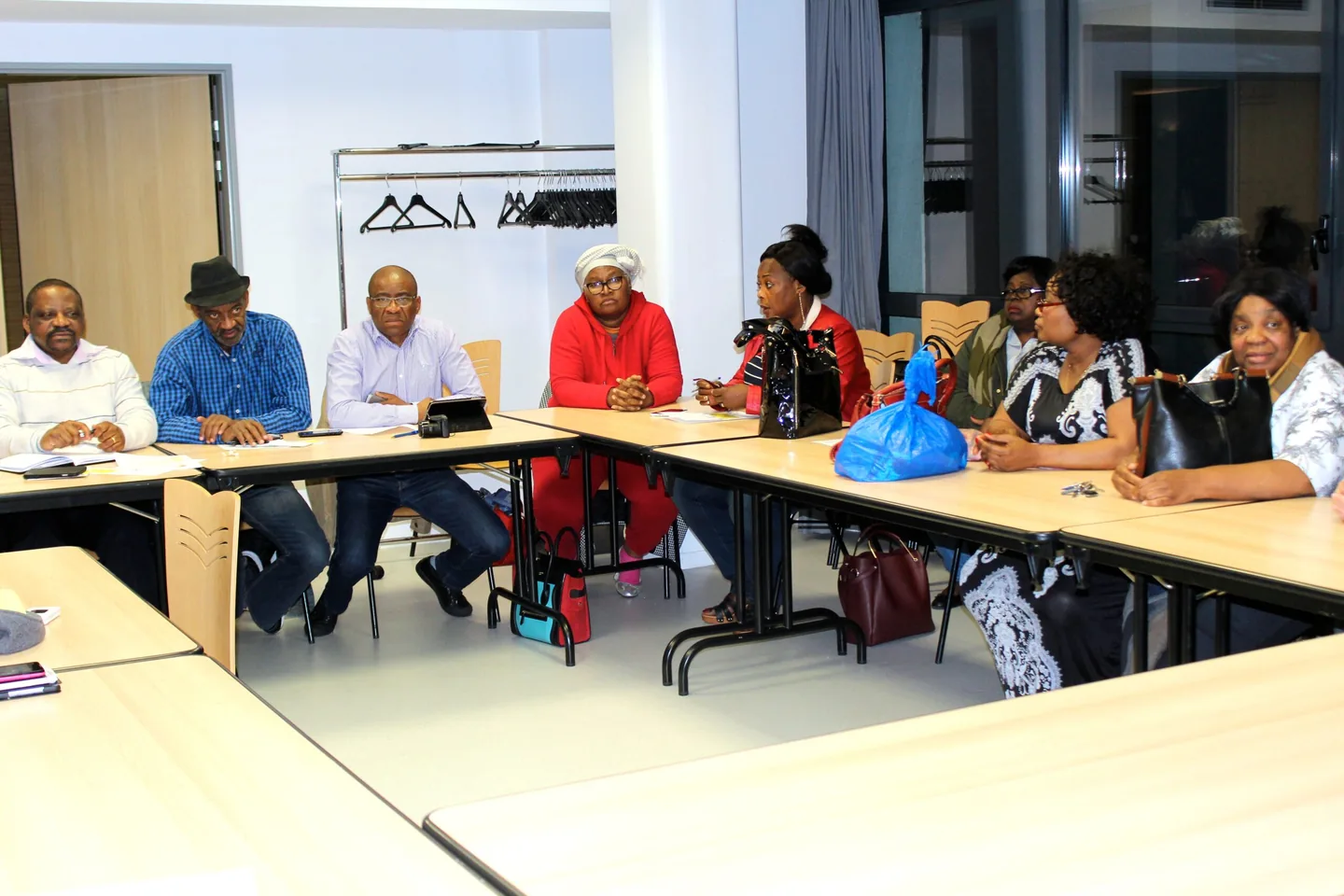
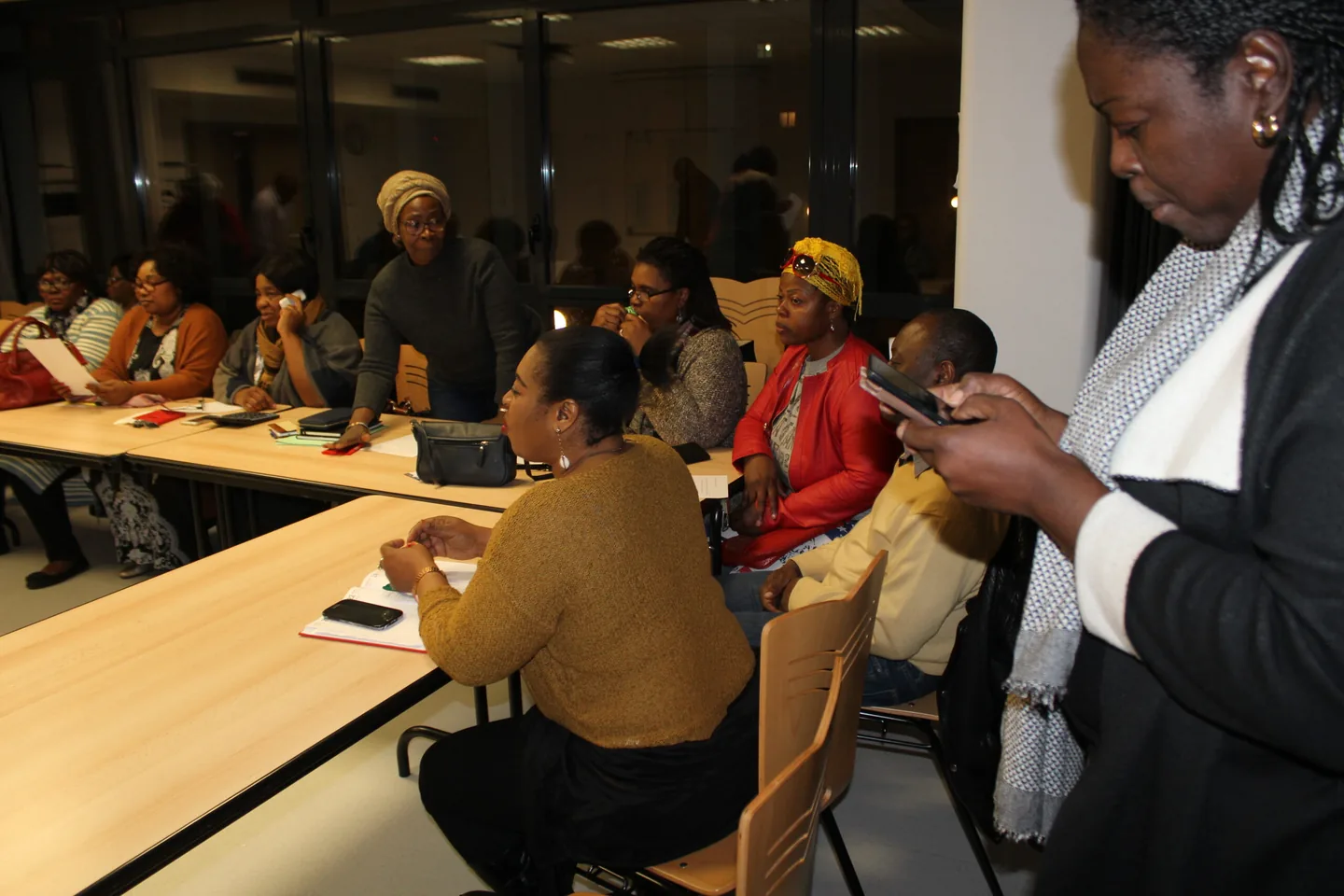
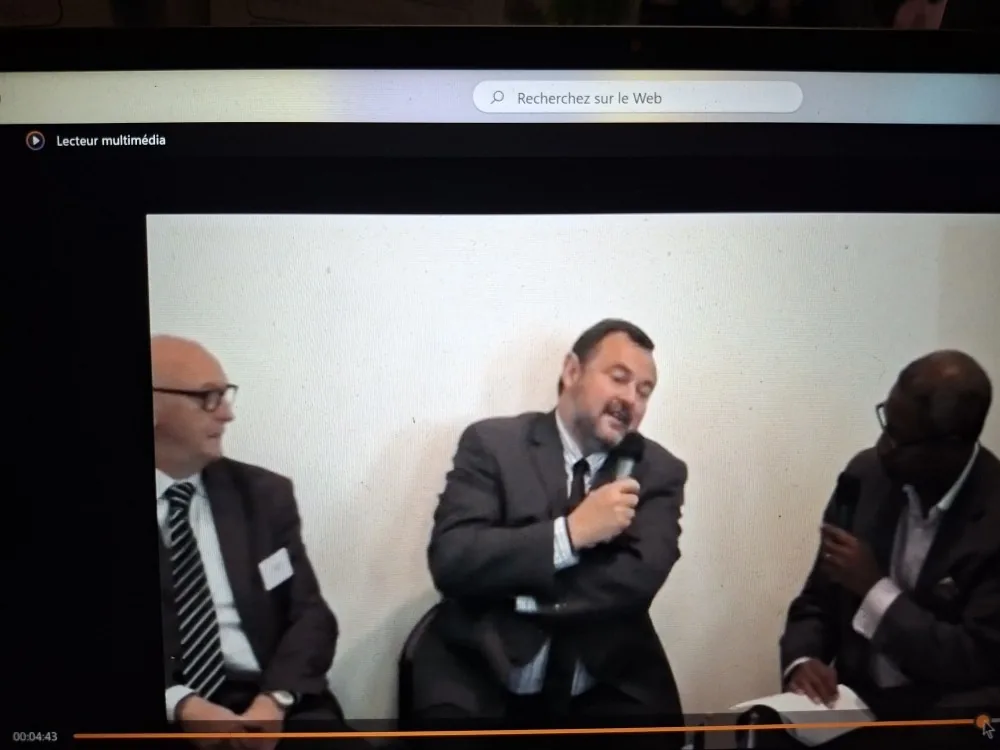
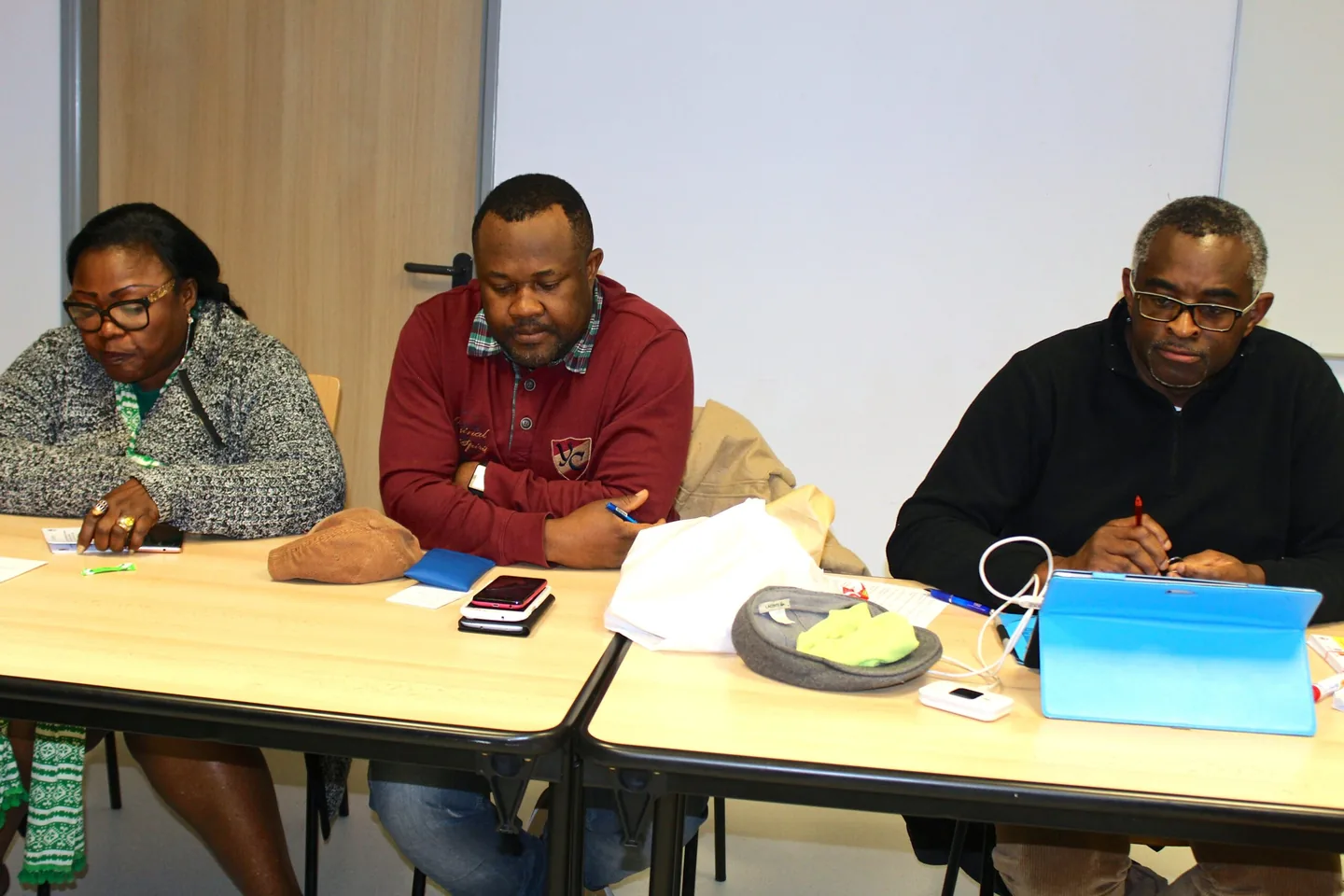
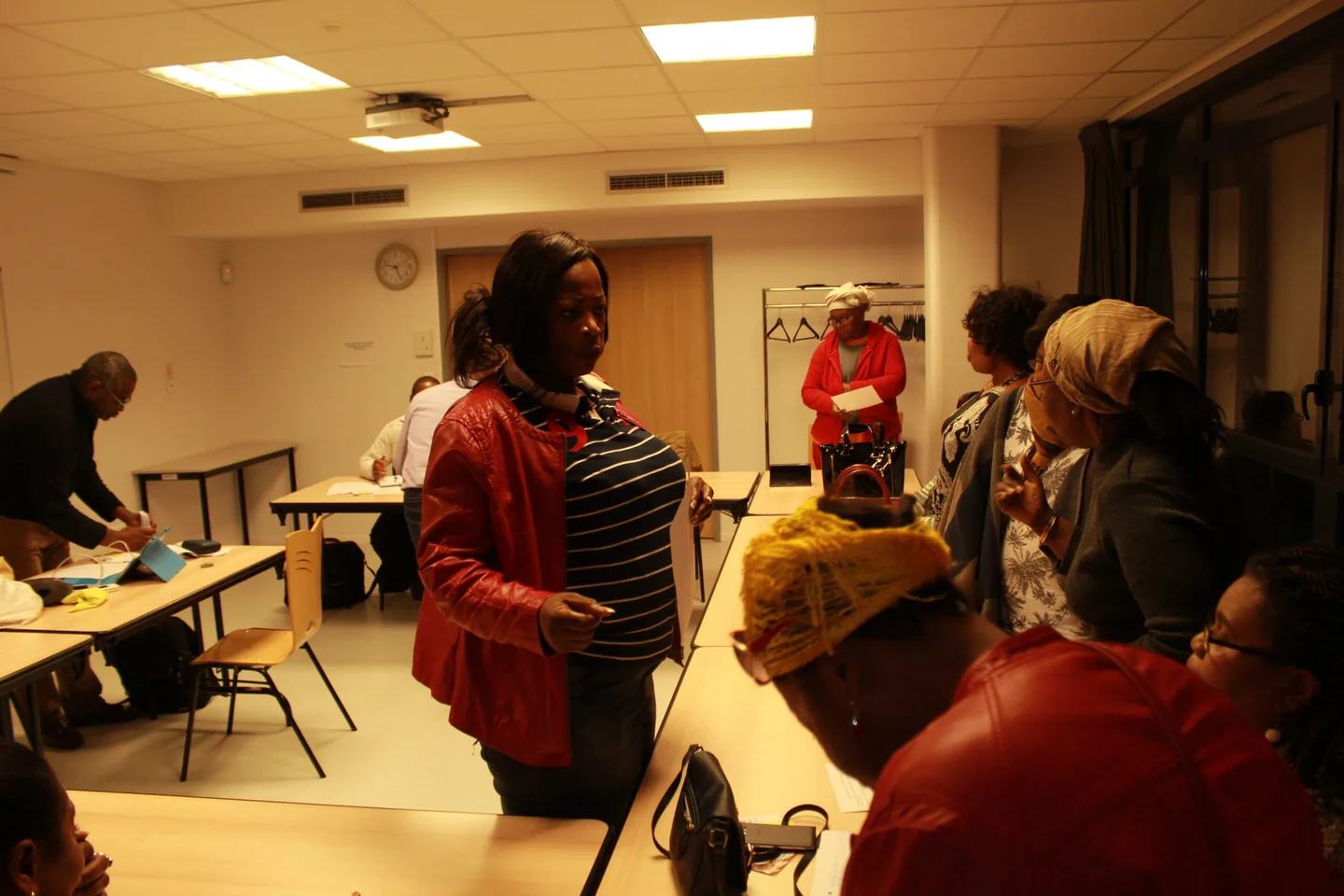
My Role as Facilitator / Expert
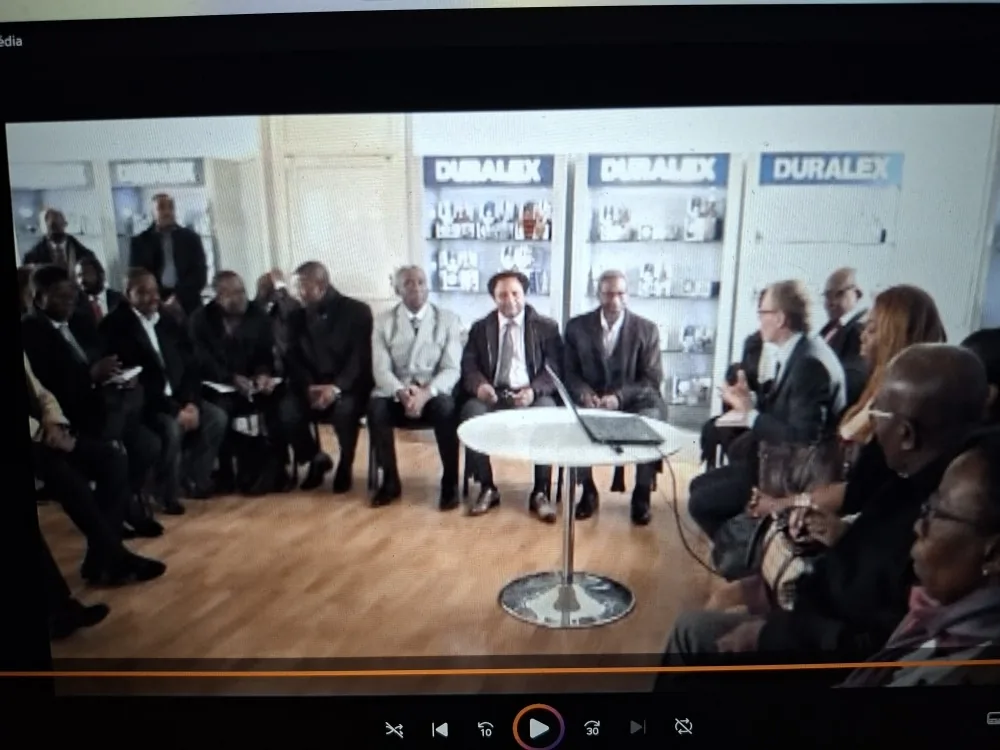
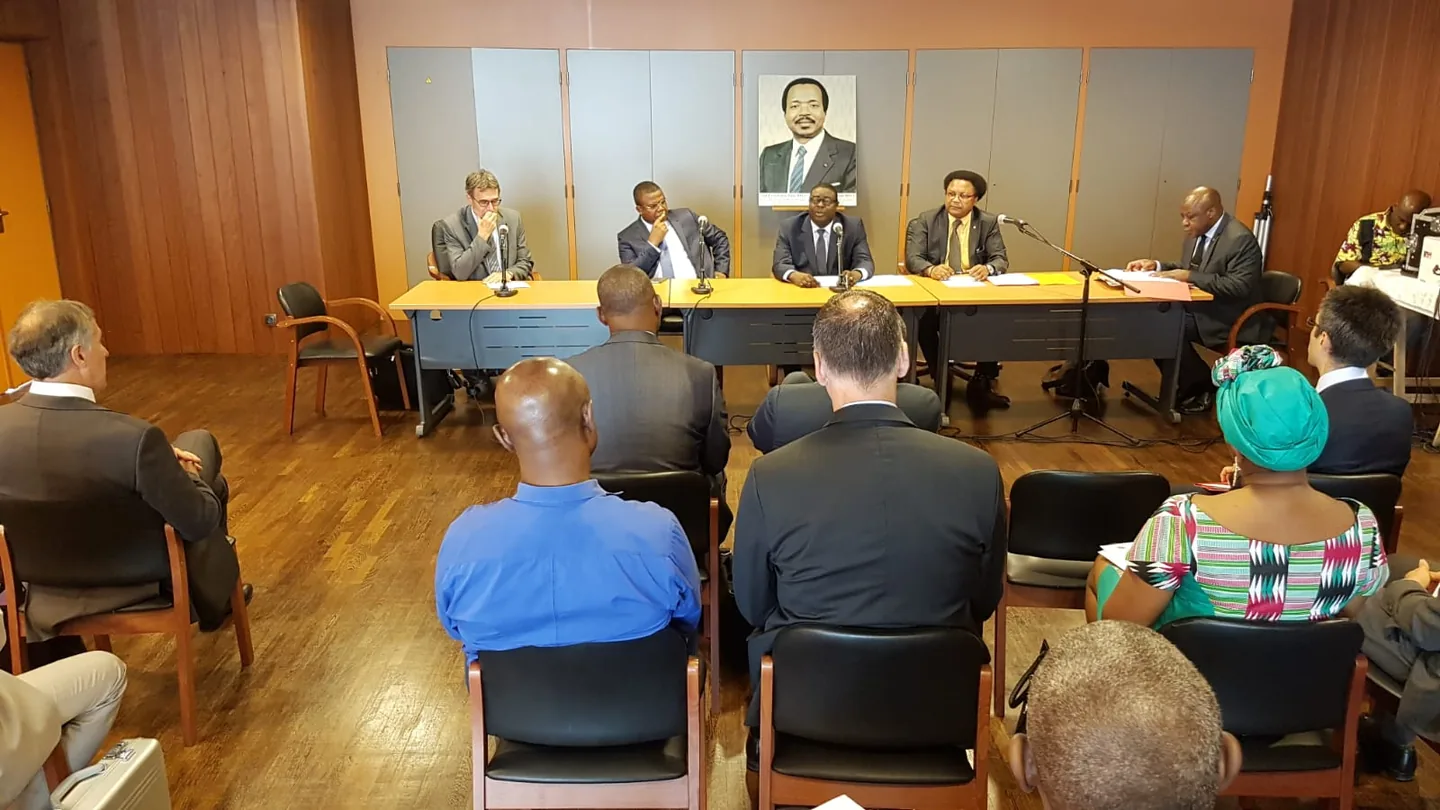
The Venue / General Atmosphere (Embassy of Cameroon – Paris)
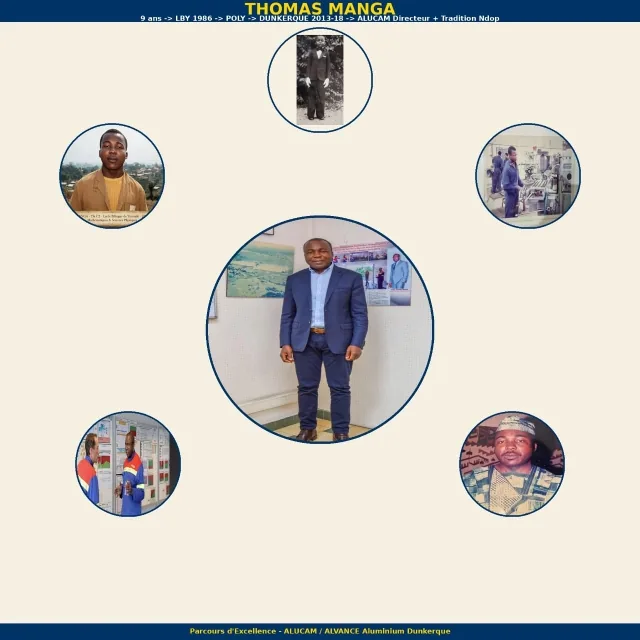
EMC Conseil Professional Sections
Objectives of Decentralized Cooperation
- Strengthen local institutions
- Develop the skills of public actors
- Support the practical implementation of decentralization
- Build sustainable partnerships between local governments
- Modernize local public action
- Improve the quality of public services
- Promote the exchange of experiences and practices
- Support elected officials and territorial executives
Fields of Intervention in Decentralized Cooperation
- Decentralization in practice
- Territorial governance
- Local public finance and management control
- Local public performance
- Service organization and territorial engineering
- Capacity building for elected officials and territorial executives
- Institutional cooperation between local governments
- Modernization of administrative practices
- Quality of public services and citizen relations
EMC Conseil Methodology
EMC Conseil applies a methodology specifically designed for partnerships between local governments:
Institutional diagnosis Assessment of the needs of both local governments Participatory workshops Training‑actions Strategic support Structuring of cooperation mechanisms Monitoring and evaluation of actions
This approach ensures concrete, useful, and sustainable results for both partner local governments.
Actors and Partners
- French local governments
- African local governments
- Overseas Territories local governments
- Local authorities
- Deconcentrated State services
- Public institutions
- International organizations
- Technical and institutional partners
Fields of Intervention in International Cooperation
EMC Conseil supports local governments, public administrations, and partner institutions in the design, implementation, and evaluation of their international cooperation projects. Our interventions cover the entire cycle of decentralized cooperation:
Territorial Partnerships and Twinning
Structuring and facilitating partnerships Defining cooperation priorities Supporting steering committees Strengthening the capacities of local teams
International Project Design and Management
Developing multi‑stakeholder projects Building logical frameworks and action plans Monitoring, evaluation, and reporting Coordinating partners
International Funding and Financial Engineering
Identifying European, bilateral, and multilateral funding mechanisms Preparing funding applications Supporting contractual processes Administrative and financial follow‑up
Territorial Diplomacy and International Attractiveness
Strategic positioning of local governments Developing international networks Showcasing local initiatives Supporting official missions and international events
Technical Cooperation and Knowledge Exchange
Training‑actions Thematic expert missions Co‑construction workshops Skills transfer and capitalisation
Examples of International Achievements / References
Depuis plus de 30 ans, EMC Conseil accompagne des collectivités, institutions publiques et organisations internationales dans la concepFor more than 30 years, EMC Conseil has supported local governments, public institutions, and international organizations in the design, implementation, and evaluation of their territorial cooperation projects. Below are representative examples:
France – Africa: Strengthening Territorial Capacities
Support for structuring partnerships between French regions and African local governments Implementation of training‑actions for territorial executives Development of joint action plans and management tools
Multi‑Stakeholder Projects and International Funding
Design of projects funded by the European Union, AFD, and multilateral donors Coordination of multidisciplinary teams Monitoring, evaluation, and institutional reporting
Territorial Diplomacy and International Attractiveness
Support to official missions and international delegations Development of cooperation networks Promotion of local initiatives at the international level
Technical Cooperation and Knowledge Exchange
Organization of co‑construction workshops Thematic expert missions Skills transfer and capitalisation of results
These interventions have strengthened local capacities, improved territorial governance, and built sustainable partnerships between territories.
Do you wish to develop an international partnership, structure a cooperation project, or strengthen the capacities of your teams?
EMC Conseil supports you in the design, implementation, and monitoring of North–South and South–South partnerships in France, Africa, and internationally.
Videos
Decentralized international cooperation – Presentation videos – The two France–Cameroon Economic Days in Orléans (France)
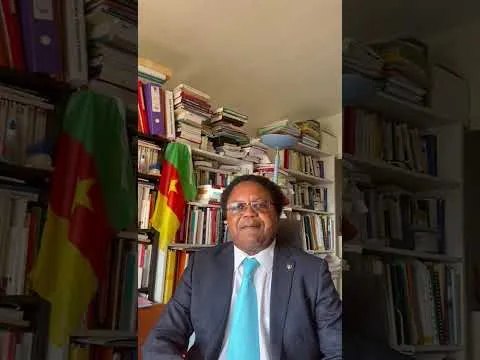
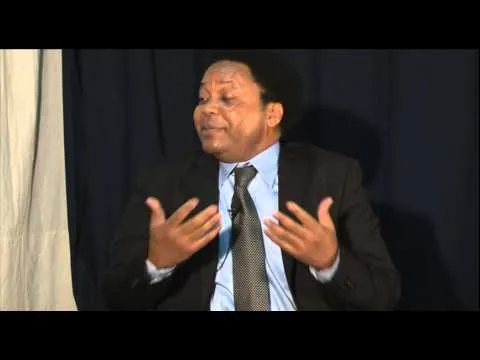
Discover five video excerpts illustrating our international engagements: a synthesis report, a television interview, and a presentation of Dr Emmanuel EVAH‑MANGA.